MRC’s statement on the Hamas terrorist attack
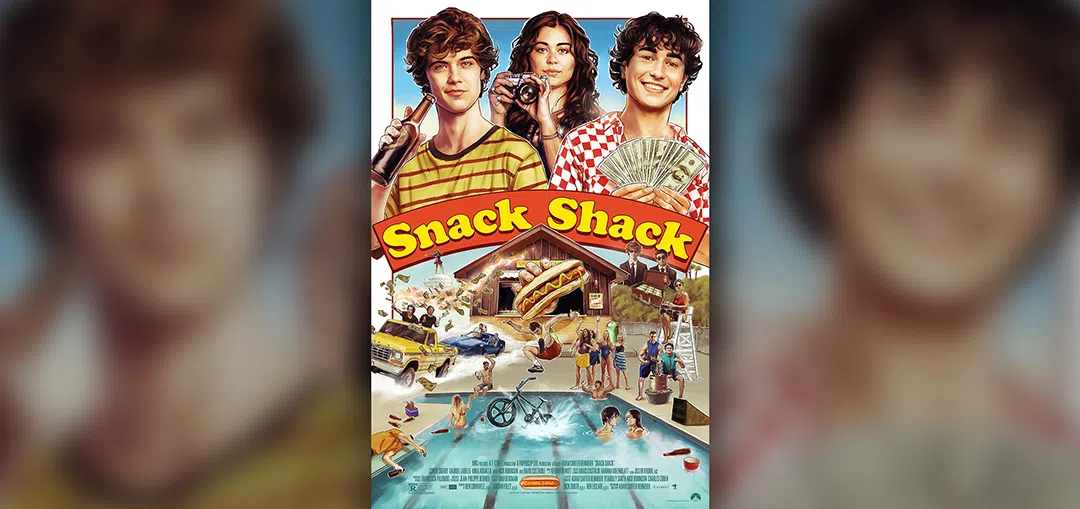

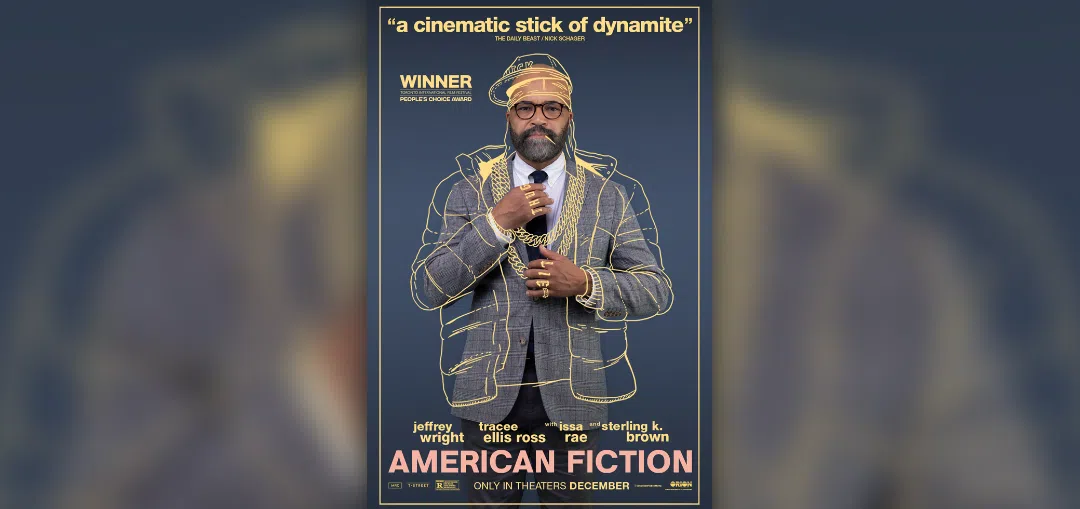
MRC IS THE LEADING INDEPENDENT ENTERTAINMENT STUDIO BEHIND SOME OF THE WORLD’S MOST ICONIC, AWARD-WINNING, AND PRESTIGIOUS TELEVISION SERIES, FILMS, AND DOCUMENTARIES.
- Television
- Film
- Non-Fiction
- Investments
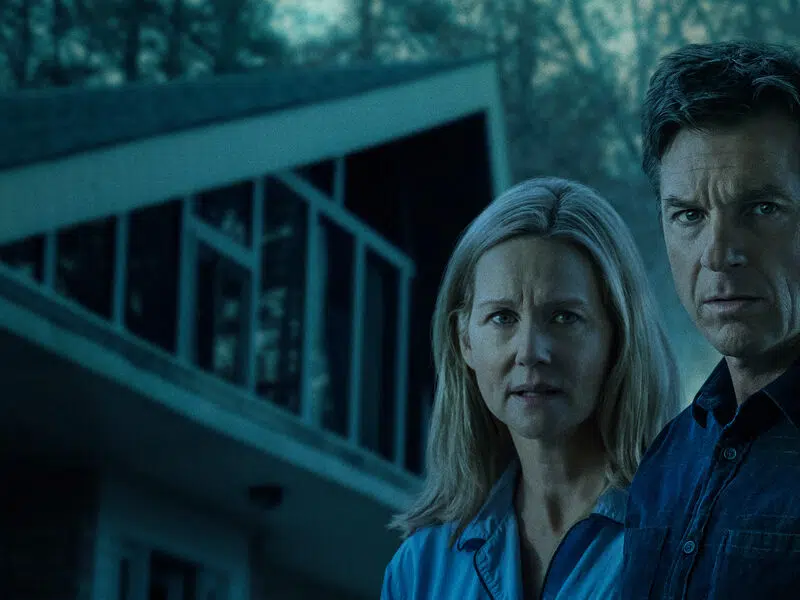
Television
MRC Television is a leading independent studio, which sources, finances, develops, and produces shows in partnership with the industry’s foremost creative artists. To date, the studio’s series have been nominated for 115 Emmy® Awards and 23 Golden Globe® Awards.
LEARN MORE

Film
MRC Film is a leading independent studio known for championing singular filmmakers and emerging directors to make high-quality distinctive films and for its selective investments in major studio films, collectively which have earned more than $6 billion in worldwide box office and received accolades including 12 Academy® Award nominations and 15 Golden Globe® Award nominations.
LEARN MORE
Non-Fiction
MRC Non-Fiction works with a diverse group of artists to develop, finance, and produce feature documentaries and docuseries for global audiences who seek enduring and definitive storytelling.
LEARN MORE

Investments
MRC owns a majority stake in Civic Center Media and has a minority investment in T-Street.
LEARN MORE